Finding ways to entertain a toddler without a screen doesn’t have to mean buying lots of toys or planning complicated activities. Some of the most enjoyable moments come from simple things: pouring water, building a tower, looking at picture books or helping with everyday tasks.
These 20 screen-free activities for toddlers are easy to prepare at home and can encourage curiosity, creativity, movement and independence. Most use everyday household materials, making them suitable for busy parents who want simple ideas for meaningful play.
Why Encourage Screen-Free Play?
Toddlers learn by exploring the world around them. Hands-on play gives them opportunities to move, experiment, communicate and discover how things work.
Screen-free activities can offer opportunities to practise:
- Fine motor skills through drawing, stacking and sorting.
- Language development through stories and conversations.
- Creativity through painting, music and pretend play.
- Physical coordination through movement and outdoor exploration.
- Independence through simple everyday tasks.
There is no need to fill every moment with an organised activity. Unstructured play and quiet time are valuable too.
20 Easy Screen-Free Activities for Toddlers
Creative activities
1. Big Paper Drawing
Place a large sheet of paper on the floor or a low table and offer chunky crayons. Let your toddler make marks, lines and shapes freely.
2. Sticker Pictures
Give your child large, age-appropriate stickers and paper. They can peel, place and rearrange the stickers to create their own picture. Supervise closely and avoid small stickers that could be swallowed.
3. Finger Painting
Use washable, child-safe paint and a large sheet of paper. Let your toddler explore colours and textures with their fingers or a chunky brush.
4. Playdough Creations
Offer age-appropriate, non-toxic playdough and simple tools. Toddlers can squeeze, roll and flatten it. Supervise throughout and prevent mouthing or eating the dough.
5. Homemade Collage
Use large pieces of paper and pre-cut shapes. Help your child arrange and glue them onto a bigger sheet to make a colourful collage.
Practical life activities
6. Watering Plants
Give your toddler a small watering can with a little water and help them water a plant. This can become a simple daily responsibility.
7. Washing Toy Animals
Place a small amount of water in a shallow basin and offer a few washable plastic animals and a cloth. Let your toddler gently wash and dry them. Stay within arm’s reach around water.
8. Matching Socks
Put a few pairs of large socks in a basket and invite your toddler to find matching colours or patterns.
9. Sorting Laundry
Ask your child to place their own clothes into a basket or help separate light and dark items. Keep the task simple and enjoyable.
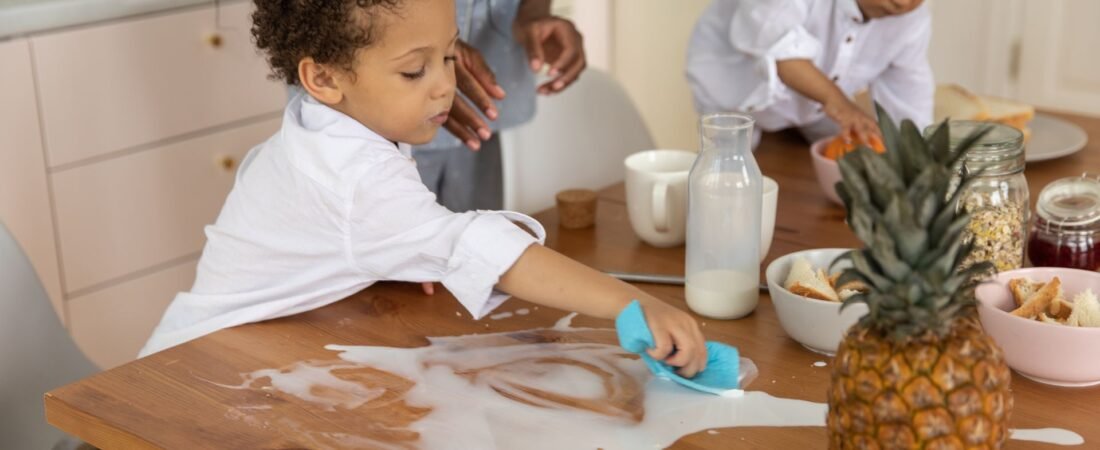
10. Wiping a Table
Give your toddler a damp cloth and invite them to help wipe a low, stable table after a meal or activity.
Learning and discovery activities
11. Colour Hunt
Choose one colour and look around the room together for objects that match. Name each object and its colour.
12. Shape Search
Look for circles, squares and triangles around your home. Point out shapes in books, toys and everyday objects.
13. Picture Book Treasure Hunt
Choose a picture book and ask your child to find familiar objects, animals or colours on each page.
14. Animal Sounds
Look at animal pictures together and imitate their sounds. Encourage your toddler to name the animals or make up their own sounds.
15. Simple Matching Game
Use a few large picture cards or familiar objects. Invite your child to find two that are the same.
Movement and imaginative play
16. Cushion Path
Arrange a few large, stable cushions on the floor to create a simple path. Encourage your toddler to step over or walk around them. Avoid unstable stacks and supervise movement.
17. Indoor Dancing
Play some favourite music and dance together. Try clapping, marching, spinning gently or copying each other’s movements.
18. Pretend Grocery Shop
Arrange a few toy food items or large empty food containers. Take turns being the shopkeeper and customer.
19. Teddy Bear Picnic
Invite your toddler to arrange soft toys on a blanket and pretend to serve them food. This is a lovely opportunity to practise everyday words and imaginative play.
20. Nature Collection
On a walk, look for interesting leaves, flowers and other natural features. Talk about colours, shapes and textures. Avoid collecting berries, mushrooms or unknown plants, and supervise closely.
How to Make Screen-Free Activities Easier
You don’t need to prepare all 20 activities in advance. Try these simple ideas:
- Keep materials accessible: Store a small selection of age-appropriate supplies in baskets or boxes.
- Rotate activities: Put away some toys and bring them back another day to create a fresh experience.
- Follow your child’s interests: If your toddler enjoys water, offer more supervised water play. If they love books, build activities around stories.
- Keep expectations realistic: Some activities may last only five minutes. That’s perfectly fine.
- Join in, then step back: Show your child how an activity works, then allow them to explore at their own pace.
A Note on Safety
Always choose materials suitable for your child’s age and abilities. Supervise toddlers closely, especially around water, art supplies, food, household objects and outdoor materials. Avoid small parts, button batteries, magnets, plastic bags and objects that may present choking or other hazards. Check the CPSC Toy Safety Guide for additional guidance.
Final Thoughts
Screen-free play doesn’t need to be elaborate. A basket of socks, a picture book, a little music or a walk outside can become an opportunity for discovery.
Choose one activity that suits your toddler’s mood today, enjoy the moment together and remember that everyday experiences are often the best starting point for learning.
Discover more ideas for playful learning in our Play & Learn collection.