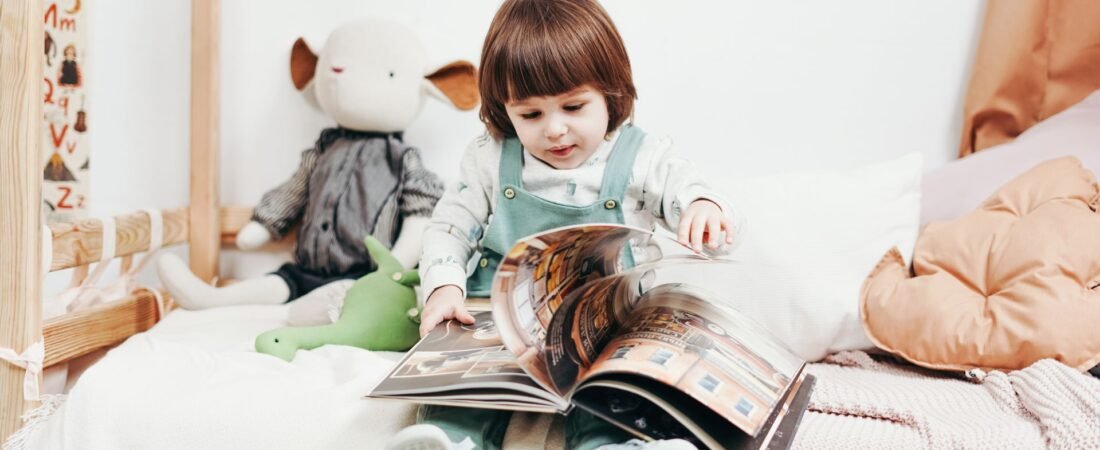
A favourite book can become much more than a bedtime activity. It can introduce a child to new words, spark imagination, encourage questions and create special moments shared with a parent.
From colourful board books for little hands to imaginative picture books filled with wonderful characters, children’s books offer countless opportunities for discovery.
But with so many choices available, how do you find the right books for your child?
In this guide, we’ll explore different types of picture books for children aged 1–5, what to look for at each stage and how to make reading an enjoyable part of everyday life.
Why Are Picture Books Important for Young Children?
Picture books introduce children to language, stories and ideas long before they can read independently.
Looking at books together can help children:
- Develop language: Discover new words through pictures, repetition and storytelling.
- Build imagination: Explore characters, places and situations beyond their everyday experiences.
- Understand emotions: Recognise feelings and learn about kindness, friendship and empathy.
- Develop concentration: Gradually become more comfortable listening to stories and looking at pictures.
- Create connections: Enjoy warm, shared moments with parents and caregivers.
Reading doesn’t need to follow a strict routine. Even a few minutes spent looking through a favourite book can be meaningful.
5 Types of Books Every Little Reader Can Explore
1. First Board Books
Board books are often a wonderful starting point for babies and young toddlers. Their thick pages are easier for little hands to turn, and their sturdy construction makes them suitable for repeated exploration when designed for the child’s age.
Look for:
- Large, clear illustrations.
- Simple words and familiar objects.
- Short, engaging content.
- Durable pages with rounded corners.
Books about animals, everyday routines, food and family life can be especially engaging.
2. Interactive and Lift-the-Flap Books
Young children love discovering what is hidden behind a flap or finding details on a page.
Interactive books encourage curiosity and give children something to explore beyond the story itself.
Look for books with:
- Simple surprises and reveal elements.
- Clear illustrations.
- Opportunities to point, name and discover.
- Securely attached interactive parts.
Always check age recommendations, as some flaps and movable components may not be suitable for children who still put books in their mouths.
3. Rhyming and Repetitive Stories
Repetition and rhythm can make stories enjoyable for toddlers. Children may begin to recognise familiar phrases, anticipate what comes next and join in with repeated words.
Rhyming stories can also make reading feel playful and musical.
Choose books with:
- Memorable phrases.
- Gentle rhythm and rhyme.
- Repeated words or patterns.
- Illustrations that help explain the story.
You don’t need to read every word exactly as written. Singing, changing your voice and pausing for your child to respond can make story time more interactive.
4. Beautifully Illustrated Picture Books
As children grow, picture books can introduce longer stories, more detailed illustrations and a wider range of themes.
A beautiful picture book can encourage children to look closely, ask questions and invent their own stories from the pictures.
Look for:
- Expressive characters.
- Engaging illustrations.
- A clear story with an enjoyable flow.
- Themes that connect with children’s experiences.
Books about friendship, nature, animals, family and everyday adventures can provide opportunities for lovely conversations.
5. Stories That Encourage Emotional Learning
Stories can help children explore feelings and everyday experiences in a gentle, accessible way.
A character who feels nervous about trying something new, misses a friend or learns to share can give parents an opportunity to talk about emotions.
Consider books about:
- Starting nursery or meeting new friends.
- Feeling worried or frustrated.
- Sharing and taking turns.
- Being kind and helping others.
- Confidence and independence.
Choose stories that feel reassuring rather than overwhelming for your child’s age and temperament.
How to Choose Books by Age
Every child develops differently, but these suggestions can help you build a small and varied home library.
Ages 1–2: Touch, Look and Discover
At this stage, children often enjoy short books with familiar objects, animals and faces.
Consider:
- Simple board books.
- Books about everyday routines.
- Large, colourful illustrations.
- Repetitive words and sounds.
- Interactive books suitable for their age.
Let your toddler turn pages, point at pictures and choose their favourite books. They may enjoy looking at the same story many times.
Ages 2–3: Words, Pictures and Curiosity
Toddlers may begin to recognise familiar objects, name characters and participate in repetitive parts of stories.
Consider:
- Rhyming picture books.
- Animal stories.
- Simple adventures.
- Books about feelings and friendships.
- Interactive stories with age-appropriate features.
Ask simple questions such as “Where is the rabbit?” or “What do you think happens next?”
Ages 3–4: Imagination and Storytelling
Children may become more interested in characters, story sequences and imaginative adventures.
Consider:
- Picture books with longer stories.
- Books about friendship and emotions.
- Nature and discovery stories.
- Funny stories and playful rhymes.
- Stories that encourage imagination.
Give your child time to describe the illustrations and make predictions.
Ages 4–5: Little Story Explorers
Older preschoolers may enjoy more detailed stories and begin to understand how a story develops from beginning to end.
Consider:
- Stories with more complex characters.
- Books about the natural world.
- Gentle problem-solving stories.
- Books about different cultures and places.
- Stories that encourage curiosity and questions.
You can also introduce simple storytelling activities, such as asking your child to invent a different ending.
How to Create a Reading Routine at Home
You don’t need a large bookshelf or a complicated schedule to encourage a love of reading.
Try these simple ideas:
Create a little reading corner. Choose a comfortable spot with a small selection of accessible books.
Let your child choose. Giving children a choice can make reading feel more enjoyable and independent.
Read together every day. Bedtime, after breakfast or a quiet afternoon can all be good opportunities.
Talk about the pictures. Point to characters, describe colours and ask simple questions.
Read favourite stories again. Repetition is a natural part of how young children enjoy books.
Explore books beyond bedtime. Bring stories into everyday activities, such as looking for animals during a walk or talking about food after reading a book about cooking.
Building a Little Home Library
You don’t need hundreds of books. Start with a small collection that offers different experiences.
A balanced home library might include:
- A few sturdy board books.
- One or two interactive books.
- Rhyming and repetitive stories.
- Beautifully illustrated picture books.
- Stories about emotions and relationships.
- Books about animals, nature and everyday life.
As your child grows, gradually introduce new themes and more complex stories.
When choosing books, consider the quality of the writing and illustrations as well as the age recommendation. A book that encourages children to return to its pages can become a much-loved part of their childhood.
Final Thoughts
The best picture books for toddlers are not necessarily the most expensive or the most popular. They are the books that invite little readers to look closer, ask questions, imagine and enjoy stories.
Whether it’s a simple board book shared on the sofa or a beautifully illustrated adventure before bedtime, every reading moment can help nurture curiosity and a love of books.
At Aviyuna, we believe children’s books should do more than entertain. They should open little windows into imagination, discovery and the world around us.
Discover more ideas for playful learning in our Play & Learn collection.