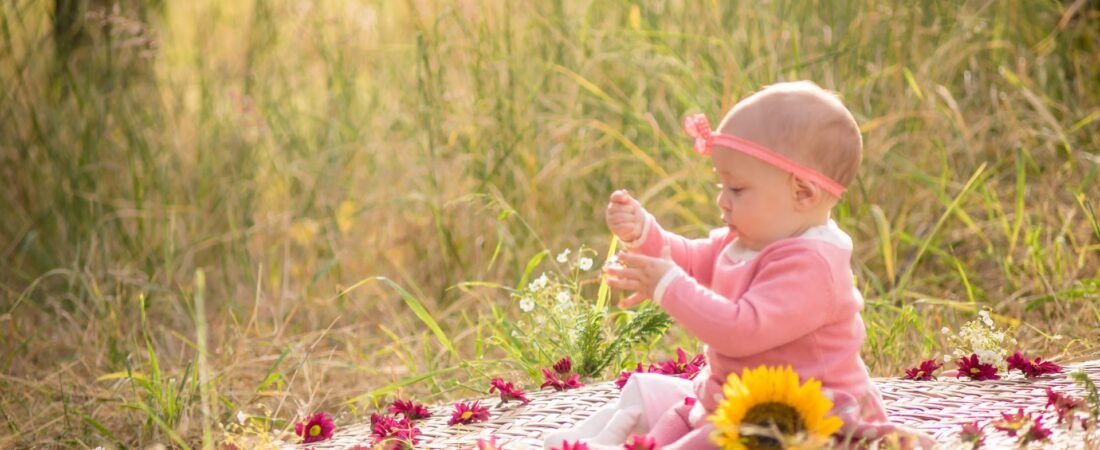
A fallen leaf, a tiny insect, a puddle after the rain or an interesting-shaped stone can become the beginning of a wonderful adventure for a toddler.
Young children are naturally curious about the world around them. They want to touch, collect, observe and investigate almost everything they encounter. Nature offers endless opportunities to explore, often without the need for expensive toys or elaborate activities.
Nature play is not about teaching children complicated facts about the environment. It is about giving them time and space to notice the little things, experiment with their senses and enjoy being outdoors.
Whether you have a garden, a nearby park or simply a small outdoor space, here are ten simple ways to introduce more nature play into your toddler’s day.
Why Is Nature Play Important for Toddlers?
Outdoor experiences offer children opportunities to move, observe and interact with their surroundings.
Nature play can encourage:
- Curiosity: Children discover different plants, textures, sounds and natural objects.
- Movement: Walking, climbing, reaching and exploring help develop physical coordination.
- Sensory exploration: Natural environments offer interesting sights, sounds, smells and textures.
- Language development: Everyday discoveries create opportunities to introduce new words and conversations.
- Creativity: Leaves, sticks, flowers and stones can inspire imaginative games.
There is no need to turn every outdoor experience into a structured lesson. Sometimes the most valuable thing is simply allowing children to explore at their own pace.
10 Simple Nature Activities for Toddlers
1. Go on a Little Nature Hunt
Turn an ordinary walk into a small discovery adventure.
Invite your toddler to look for things such as:
- A yellow leaf.
- A feather on the ground.
- A small flower.
- A pinecone.
- A smooth stone.
- A tree with interesting bark.
You can point out discoveries together and introduce simple words such as rough, smooth, soft, dry and colourful.
For younger toddlers, keep the activity informal. There is no need to find everything on a list.
2. Collect Leaves and Explore Their Colours
Leaves come in different shapes, sizes and colours, making them wonderful objects for little explorers.
Take a small basket on your next walk and collect a few fallen leaves from the ground.
At home, you can:
- Sort them by colour.
- Compare their shapes.
- Arrange them into a simple pattern.
- Use them to create a nature collage with adult assistance.
Encourage your child to notice how leaves can feel different and change colour throughout the year.
Choose clean, fallen leaves and avoid unknown plants, berries and mushrooms.
3. Enjoy a Water Play Afternoon
Water is fascinating for young children. A shallow container, a few large cups and some water can create a simple outdoor activity.
Invite your toddler to:
- Fill and empty cups.
- Pour water between containers.
- Watch how water moves.
- Water garden plants.
- Explore floating and sinking with suitable large objects.
You can introduce simple concepts such as full, empty, more and less.
Always supervise water play closely and remain within arm’s reach. Even shallow water can present a drowning risk.
4. Plant Something Together
Planting seeds or small plants can help toddlers become familiar with how things grow.
Choose an easy activity such as planting large seeds according to the packet instructions or helping transfer a small plant into a suitable pot.
Your child can:
- Add soil to a pot.
- Help place the seed with adult guidance.
- Water the soil.
- Observe the plant as it grows.
Talk about what plants need, such as sunlight and water.
Choose non-toxic plants and age-appropriate seeds. Keep soil, fertilisers and gardening products away from children’s mouths.
5. Listen to the Sounds of Nature
Outdoor exploration does not always need to involve collecting or touching things.
Find a comfortable place to sit together and listen.
What can you hear?
- Birds singing.
- Leaves moving in the wind.
- Rain falling.
- Insects buzzing.
- Water flowing.
You can ask your toddler to point towards the sound or imitate it.
This simple activity encourages listening and attention while helping children become more aware of their surroundings.
6. Create a Small Nature Treasure Basket
A nature basket brings some outdoor discoveries into your home.
Depending on your child’s age, you can collect a few large, safe objects such as:
- Large pinecones.
- Smooth, large pieces of driftwood.
- Large fallen leaves.
- A sturdy piece of bark.
Invite your toddler to look at the objects, describe their textures and compare their shapes.
Inspect everything carefully before bringing it indoors. Avoid small objects, sharp pieces, toxic plants and anything that could present a choking hazard. Supervise exploration closely.
7. Watch the Clouds
Find a comfortable place to lie on a blanket or sit together and look at the sky.
Talk about the shapes you notice. A cloud might look like a rabbit, a boat or something entirely different.
There are no right answers. Let your toddler invent their own ideas.
This quiet activity can encourage imagination, observation and conversation.
8. Explore Sand and Natural Textures
A visit to a beach, sandpit or suitable outdoor play area can offer a wonderful sensory experience.
Toddlers can explore how sand feels, how it moves and what happens when it is wet.
Bring a few age-appropriate buckets and large scoops to encourage filling, emptying and building.
Supervise closely, discourage eating sand and check the play area for hazards.
9. Observe Small Garden Visitors
A garden or park can be full of tiny discoveries.
You might notice:
- An ant walking along the ground.
- A butterfly visiting a flower.
- A snail after rainfall.
- A ladybird resting on a leaf.
Encourage your toddler to observe gently without touching or disturbing the animals.
You can introduce simple words such as insect, wings, legs and crawling.
Avoid handling unfamiliar insects, caterpillars or other wildlife, as some can sting, bite or cause irritation.
10. Enjoy a Seasonal Nature Walk
Nature changes throughout the year, which makes outdoor walks interesting to repeat.
Spring: Look for new leaves, flowers and signs of plants growing.
Summer: Notice butterflies, longer days and the different sounds of the garden.
Autumn: Explore fallen leaves, pinecones and changing colours.
Winter: Look for frost, bare branches and interesting patterns in the sky.
Even a familiar route can feel different as the seasons change.
You Don’t Need a Garden to Enjoy Nature
Nature play does not require a large garden or countryside surroundings.
A nearby park, playground, beach or tree-lined street can offer plenty of opportunities.
Even a balcony can become a little place for discovery with a suitable plant, a small watering can and opportunities to observe the weather.
The important thing is to make outdoor experiences part of everyday life whenever possible.
How to Make Nature Play Enjoyable for Your Toddler
Toddlers often have their own ideas about what they want to explore. A planned activity may quickly turn into something completely different.
A few simple principles can help:
Follow their curiosity. If your child becomes fascinated by a puddle, allow time to explore it safely.
Keep activities short and flexible. Some days your toddler may explore for half an hour; on others, five minutes may be enough.
Dress for the weather. Comfortable clothes, suitable footwear and weather protection make outdoor play more enjoyable.
Let them explore at their own pace. Avoid rushing from one discovery to another.
Be present. Talk about what you notice together, but leave room for quiet observation too.
A Note on Outdoor Safety
Always supervise toddlers outdoors. Check the area for hazards such as traffic, deep water, sharp objects, animal waste and poisonous plants.
Do not allow children to taste unknown berries, mushrooms, flowers or leaves. Be mindful of insects, sun exposure, temperature and suitable clothing.
Wash hands after outdoor play, especially before eating.
Final Thoughts
Nature offers toddlers something wonderful: an environment that is constantly changing and full of small discoveries.
A walk through the park, planting a seed, listening to birds or collecting fallen leaves can become a meaningful learning experience.
You do not need complicated activities or special equipment. Sometimes, all you need is a little time outdoors and the willingness to explore the world through your child’s eyes.
Related reading:
- 7 Everyday Activities That Help Toddlers Become More Independent
- 20 Screen-Free Activities for Toddlers at Home
- 15 Montessori-Inspired Activities for Toddlers at Home
Discover more ideas for playful learning in our Play & Learn collection.