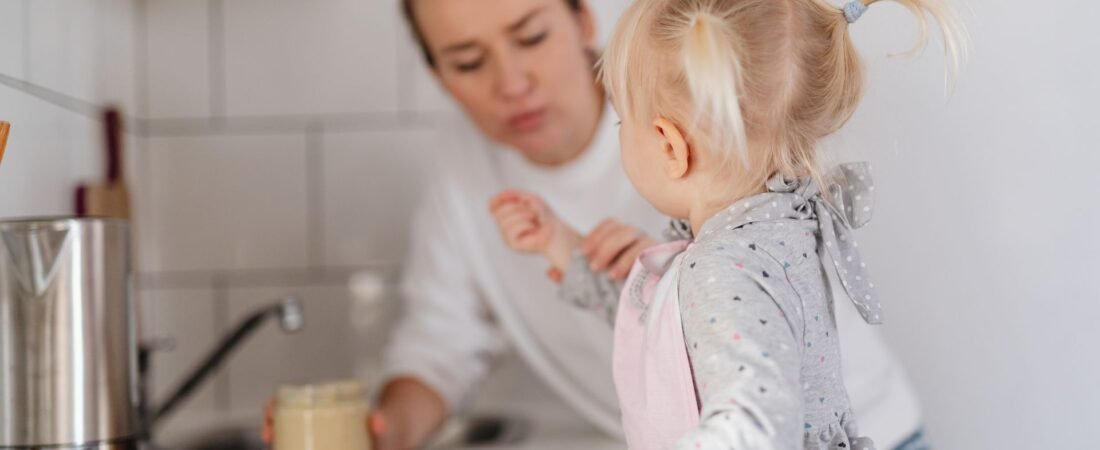
“Let me do it!”
If you have a toddler, you have probably heard these words many times. Suddenly, putting on shoes, carrying a cup or helping prepare breakfast becomes something your little one wants to do independently.
Although everyday routines can take a little longer when a toddler wants to help, these moments are valuable opportunities to learn.
Independence does not develop overnight. It grows gradually through small experiences that allow children to participate in everyday life, practise new skills and feel confident trying things for themselves.
The lovely thing is that you do not need expensive educational toys or complicated activities. Many opportunities for learning are already part of your family’s daily routine.
Here are seven simple ways to encourage independence through everyday activities.
1. Getting Dressed Together
Getting dressed is a wonderful opportunity for toddlers to practise doing things independently.
Start with simple steps, such as choosing between two shirts, putting on socks or helping pull up trousers.
You can make the experience easier by:
- Offering clothes that are comfortable and easy to put on.
- Giving your toddler enough time to try.
- Letting them choose between two suitable options.
- Encouraging them to complete one small step at a time.
At first, your child may need plenty of help. Gradually, they may become more confident with familiar parts of the routine.
What they practise: Coordination, decision-making, body awareness and self-care.
2. Helping Prepare a Simple Snack
Toddlers often enjoy being involved in food preparation. Simple kitchen activities can make them feel like an important part of family life.
Depending on their age and abilities, you could invite your child to:
- Wash a piece of fruit.
- Put bananas into a bowl.
- Place bread on a plate.
- Stir ingredients in a large bowl.
- Help arrange prepared food on a plate.
Give your child a small, manageable task rather than expecting them to prepare an entire snack.
What they practise: Coordination, concentration, following simple instructions and practical life skills.
Always supervise closely around food, utensils and kitchen equipment. Be mindful of choking hazards and prepare food in an age-appropriate way.
3. Watering Plants
A small watering can and a suitable houseplant can turn an ordinary household task into an enjoyable activity.
Show your toddler how to gently pour a little water onto the soil. They may spill some water at first, but that is part of learning.
You can also introduce simple observations:
- Is the soil dry or wet?
- Does the plant have new leaves?
- What happens when we give it water?
Choose a non-toxic plant and use a small amount of water. Keep the activity supervised.
What they practise: Responsibility, hand control, observation and an early connection with nature.
4. Putting Toys Away
Tidying up can become a familiar part of playtime rather than something that only happens at the end of the day.
Make it simple by providing a basket or low shelf where your toddler can return their toys.
You might say:
- “Let’s put the blocks in their basket.”
- “Can you find the home for this book?”
- “Let’s put the animals back together.”
At first, you can tidy alongside your child. Over time, they may begin recognising where familiar objects belong.
What they practise: Sorting, categorisation, memory and responsibility.
Keep expectations realistic. The aim is participation, not a perfectly tidy room.
5. Helping With Laundry
Laundry offers several simple activities that toddlers can enjoy.
Invite your child to put socks into a basket, separate a few large items by colour or help carry a small pile of clean clothes.
You could also play a matching game with pairs of socks.
These little tasks introduce everyday concepts without requiring a formal learning activity.
What they practise: Matching, sorting, coordination and following simple routines.
Keep laundry detergents, cleaning products and small items such as loose buttons out of reach.
6. Setting the Table
A toddler can begin helping with simple table-setting tasks using safe, lightweight items.
For example, they could:
- Carry an unbreakable cup.
- Put a napkin beside a plate.
- Place a spoon on the table.
- Help arrange placemats.
You can make it a predictable part of mealtime so your child begins to understand the routine.
What they practise: Coordination, sequencing, memory and contributing to family life.
Avoid glass, sharp utensils and heavy objects. Choose items that are appropriate for your child’s abilities.
7. Choosing and Returning Books
Books can also encourage independence.
Instead of choosing every story yourself, place a small selection of books where your toddler can reach them.
Invite your child to choose a favourite before bedtime or during a quiet moment.
After reading, encourage them to return the book to its basket or shelf.
Let your toddler turn the pages, point to pictures and revisit familiar stories. They do not need to sit still or finish the whole book every time.
What they practise: Decision-making, communication, early literacy and responsibility.
Why Small Everyday Tasks Matter
It is easy to think that learning happens mainly through structured activities, educational toys or special outings.
But everyday routines offer something equally valuable: opportunities for children to participate in real family life.
When toddlers help with familiar tasks, they begin to understand how things work, develop confidence and gradually learn to do more for themselves.
They also experience an important feeling: being trusted to contribute.
How to Encourage Independence Without Pressure
Every toddler develops at their own pace. Some children want to do everything themselves, while others prefer to watch before joining in.
A few simple principles can help:
Give them time. Tasks will often take longer when children are learning. Whenever possible, allow a little extra time rather than rushing to finish everything for them.
Offer small choices. Choosing between two outfits or two books gives toddlers opportunities to make decisions without becoming overwhelmed.
Demonstrate, then step back. Show your child how to complete a task, then give them an opportunity to try.
Accept imperfect results. A slightly unevenly set table or a few misplaced toys is perfectly fine. Participation matters more than perfection.
Make it enjoyable. Everyday activities should feel like shared experiences, not additional chores.
Final Thoughts
Encouraging independence does not require a special curriculum or a perfectly organised home.
It can begin with putting on socks, watering a plant, choosing a book or helping prepare breakfast.
These small moments may seem ordinary to adults, but they are meaningful opportunities for toddlers to practise new skills and develop confidence.
Sometimes, the most valuable learning experiences are already happening in the middle of everyday family life.
Related reading:
- 15 Montessori-Inspired Activities for Toddlers at Home
- 20 Screen-Free Activities for Toddlers at Home
- How to Create a Montessori-Inspired Play Space at Home
Discover more ideas for playful learning in our Play & Learn collection.